An environment for organising what you need to know
Bexenford is built on the premise that access to relevant information becomes more useful when that information is well organised. The system does not simply store records; it arranges them within a structure designed to support efficient navigation and clear review.
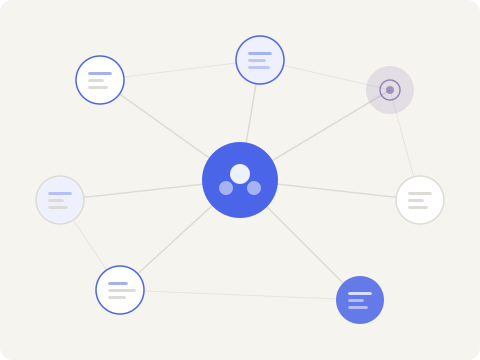
Users interact with the system through a purpose-built interface that groups information by type, relevance, and relationship. The presentation layer adapts to what the user is looking for, surfacing related records and contextual notes alongside the primary content.
The goal of the Bexenford system is not to deliver data in bulk, but to present the right information in a form that is immediately useful.
This distinction matters. A well-organised system reduces the cognitive effort required to understand any given record, because the surrounding context is already arranged and available.
What the system includes — and what it does not claim
Understanding the boundaries of the Bexenford system helps users approach it with appropriate expectations.
What Bexenford provides
- A structured interface for browsing and reviewing classified information records
- Automated grouping of records by type, source category, and contextual attributes
- Navigable relationships between connected records
- A searchable index of available content within the system
- User-facing notes and contextual summaries attached to primary records
- An enquiry and access-request channel for users who require support
What Bexenford does not claim
- That every record in the system has been independently verified for accuracy
- That the classification structure is exhaustive for all possible information types
- That access to the system implies a particular outcome for any user
- That automated organisation replaces careful human review of important records
- That the interface has been certified by any external body or authority
- That any description of planned improvements constitutes a commitment to deliver them
What to consider before submitting a request
Access to the full Bexenford system is subject to a review process. Before submitting a request, it is helpful to have a clear sense of what you are trying to accomplish and what type of information you expect to find within the system.
The support team reviews requests in the order they are received and may ask for clarification before confirming access. This process exists to ensure that the system is used appropriately and that each user receives relevant guidance about the areas of the interface most relevant to their needs.
Access is not automatic and the team does not commit to a specific response time. Users with urgent enquiries are encouraged to include this detail in their message.
What kind of information does the system contain?
The system contains structured records drawn from a range of categories relevant to the platform's intended purpose. Records are classified on intake and organised within the interface according to their type and the relationships identified between them. The specific content available to any given user depends on the access level associated with their account.
How is information classified within Bexenford?
Classification is carried out using a combination of automated processing and editorial review. Records are assigned to categories based on their content, source attributes, and any contextual notes supplied alongside them. The classification structure is reviewed periodically and categories may be refined over time to reflect the evolving range of information in the system.
Can I review the status of a previously submitted enquiry?
Once an enquiry has been submitted, the support team will be in contact using the email address provided in the form. If you have not received a response within a reasonable period, you are welcome to send a follow-up message to [email protected]. Please include the subject of your original enquiry to help the team locate your record.
Is the system available in multiple languages?
The current version of the Bexenford interface is presented in English. The team is aware that this limits accessibility for some users and may consider additional language support in a future development phase. No confirmed timeline is available at this stage.
How does Bexenford differ from a general search engine?
Unlike a general-purpose search engine, Bexenford works with a defined and structured set of records rather than crawling open web content. Results are drawn exclusively from the classified information within the system, which means they are bounded and consistent rather than wide-ranging and variable. The interface is designed for deliberate review rather than exploratory browsing.